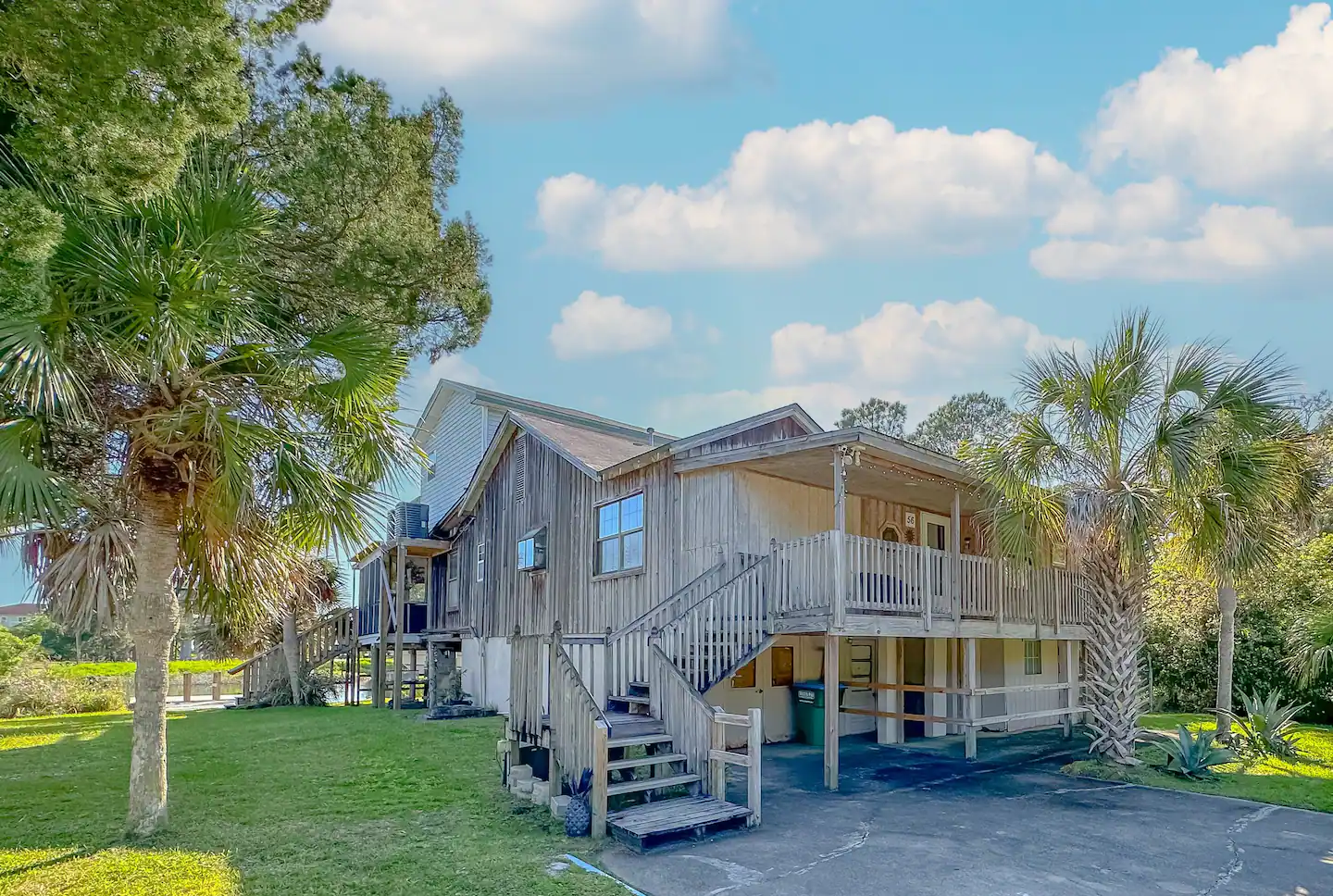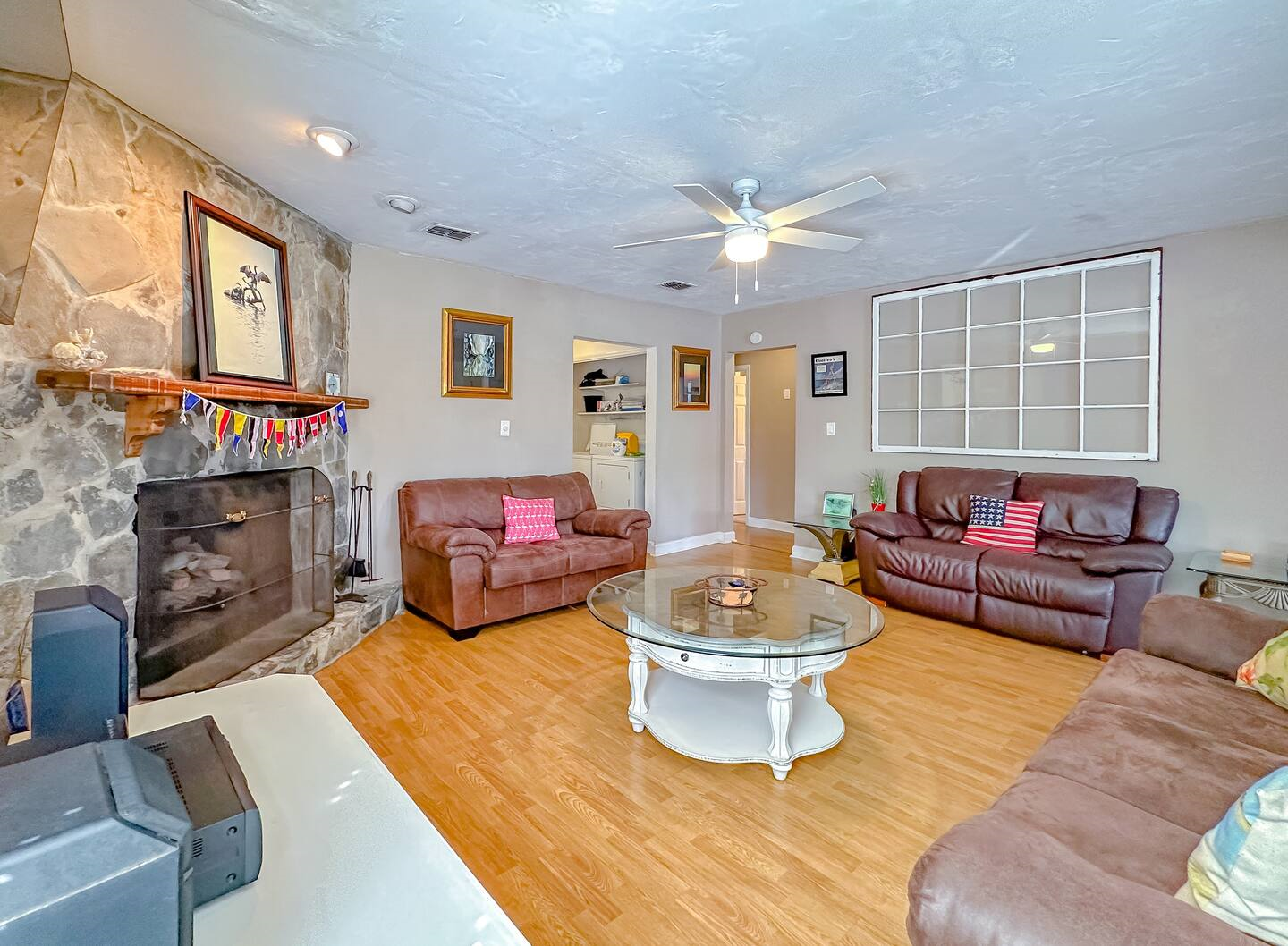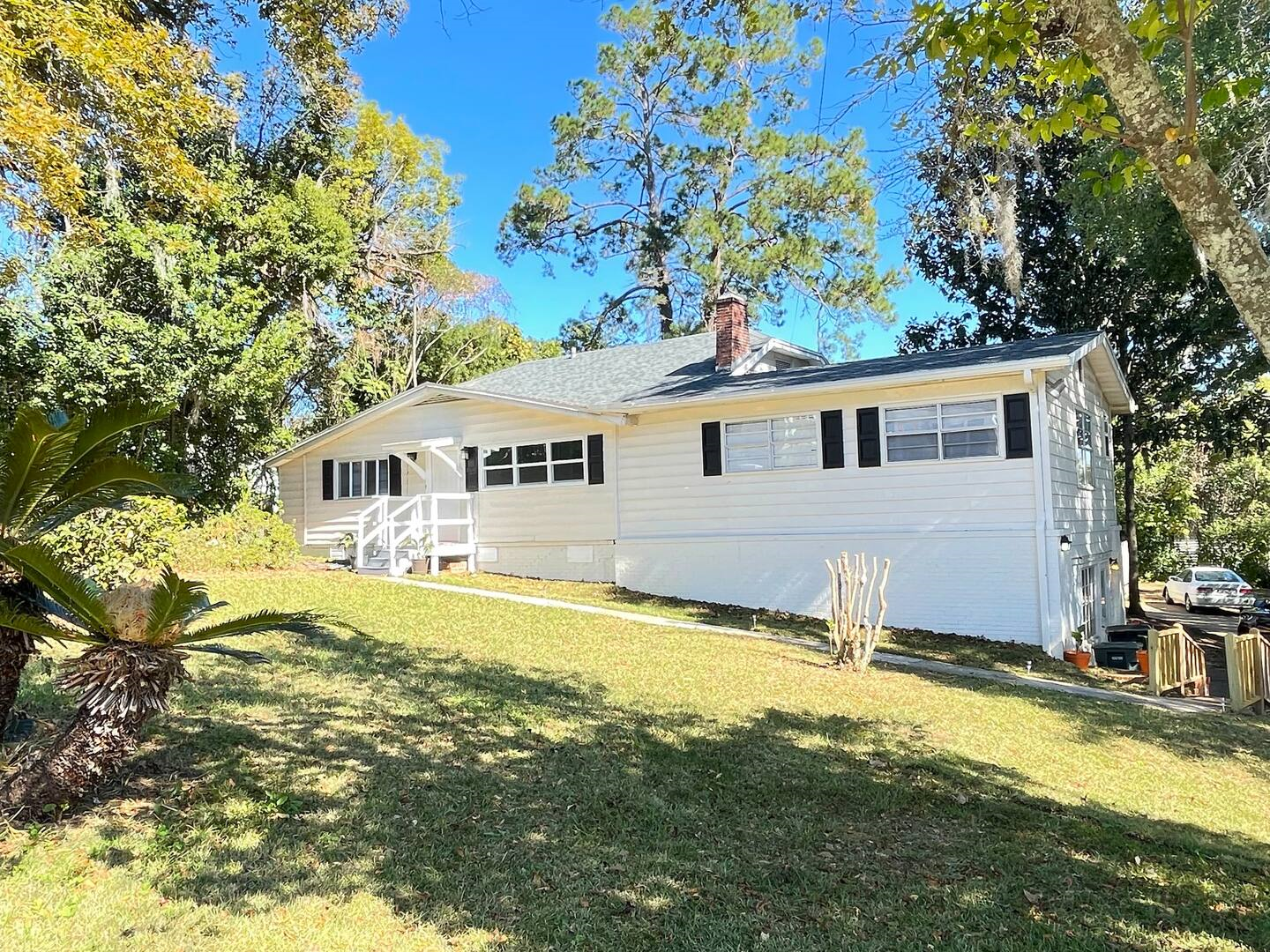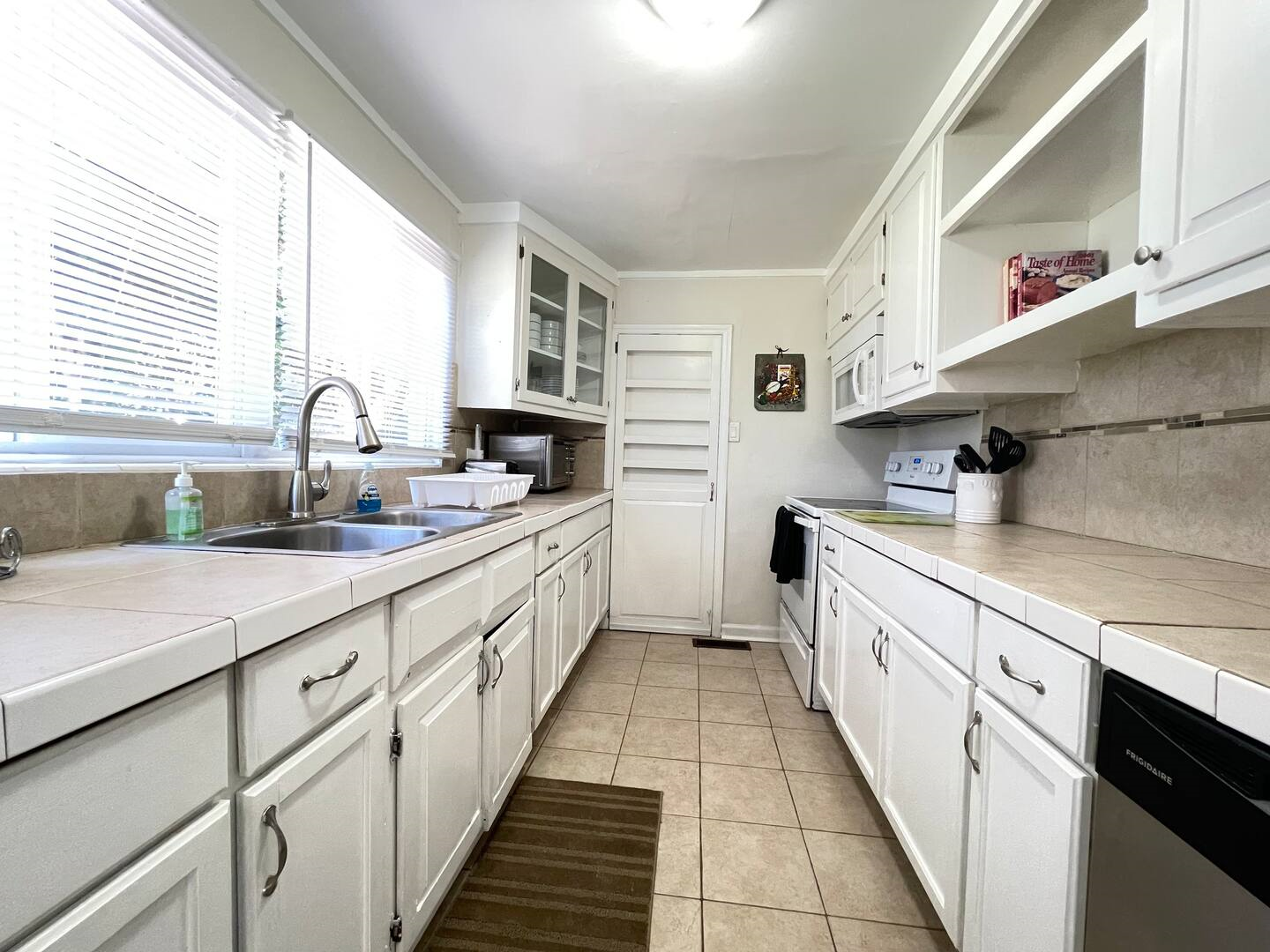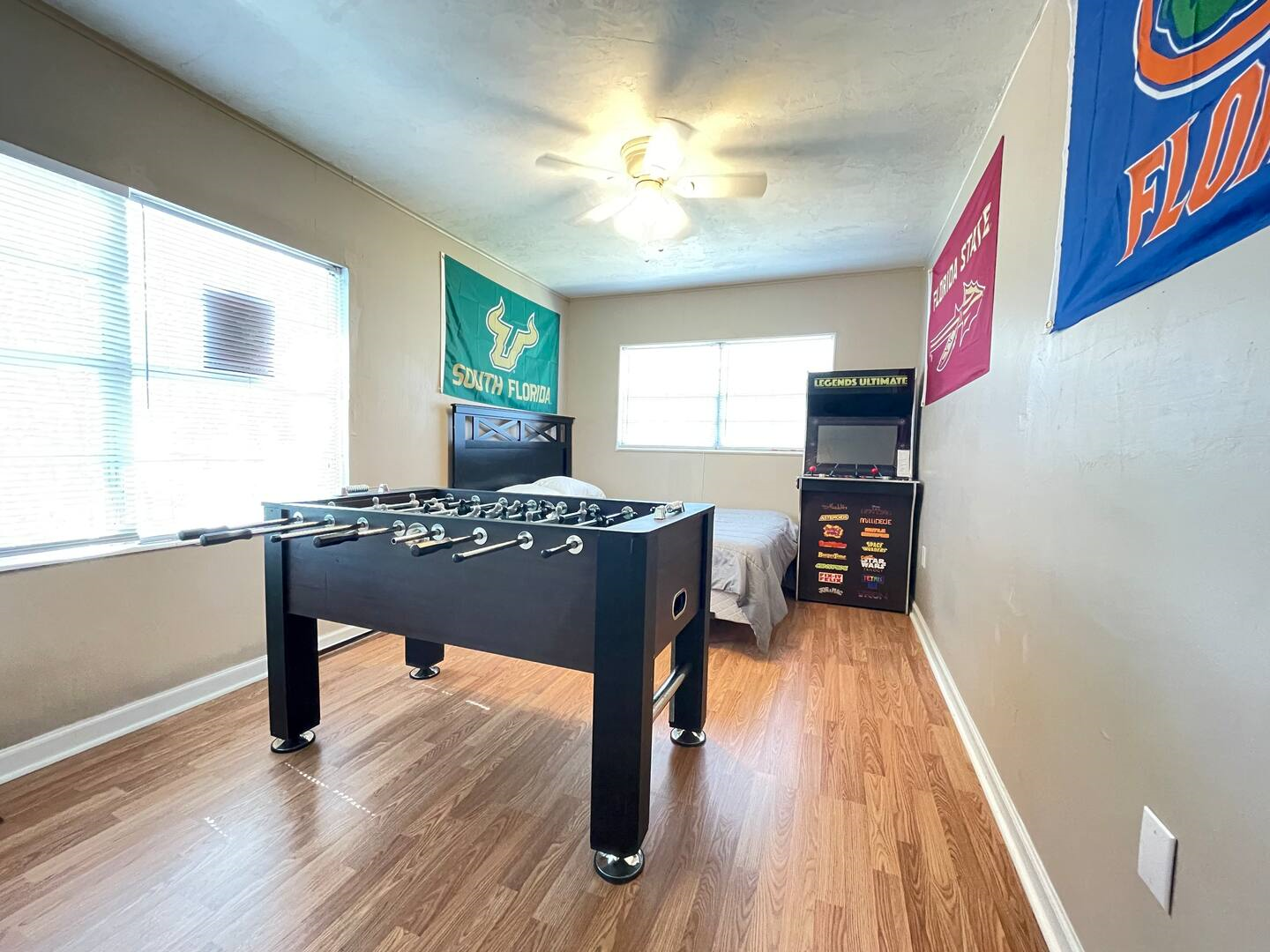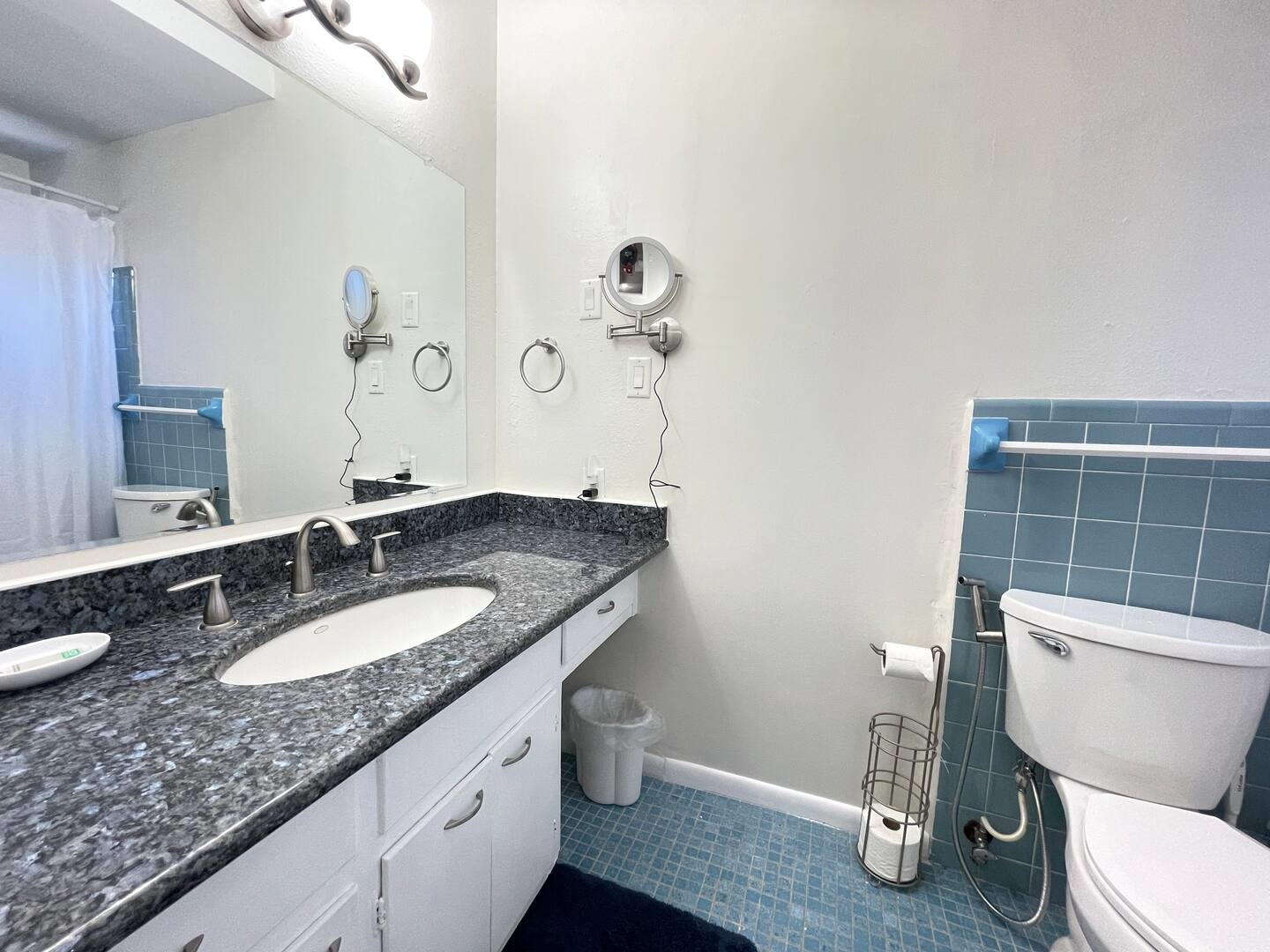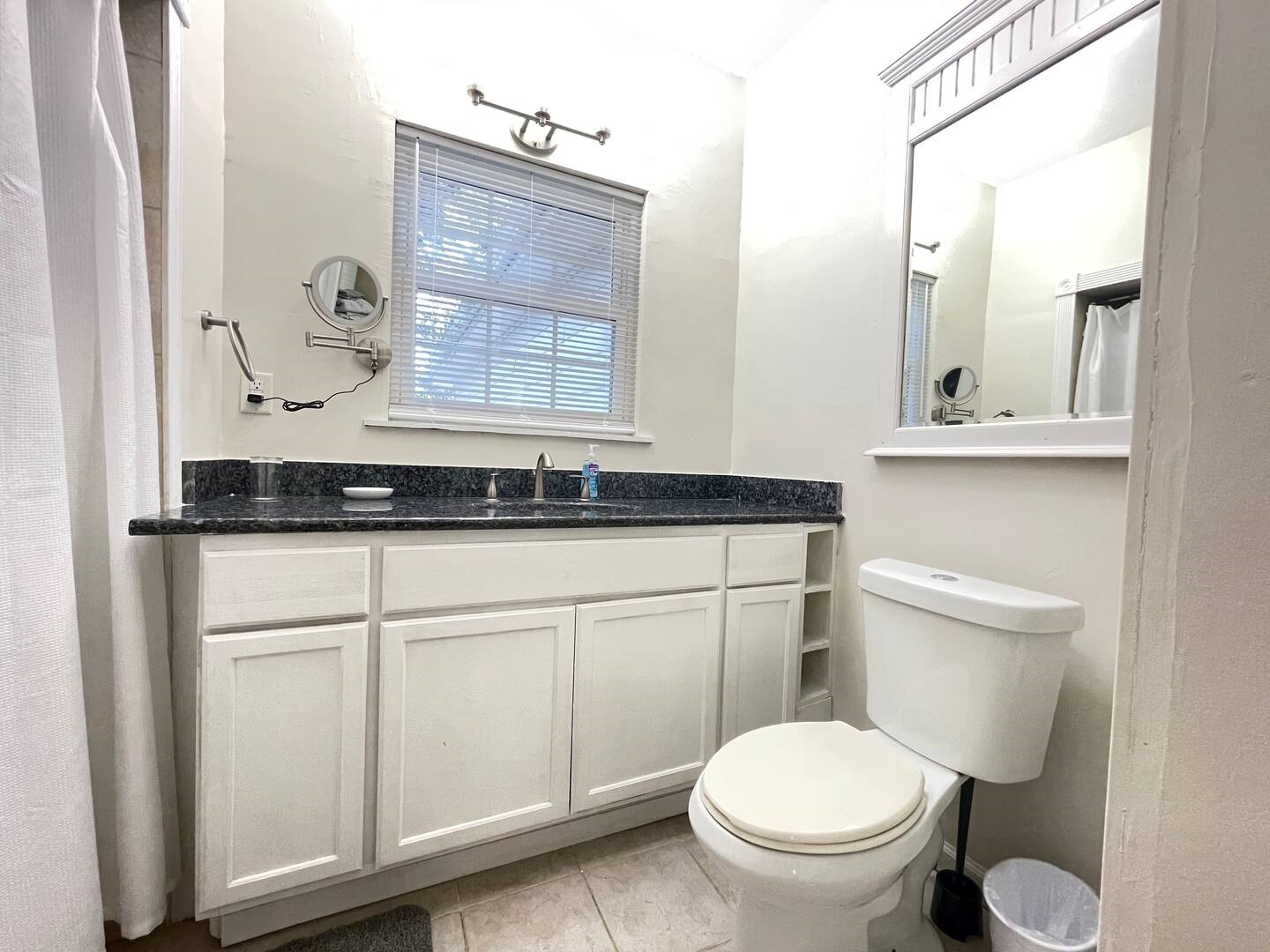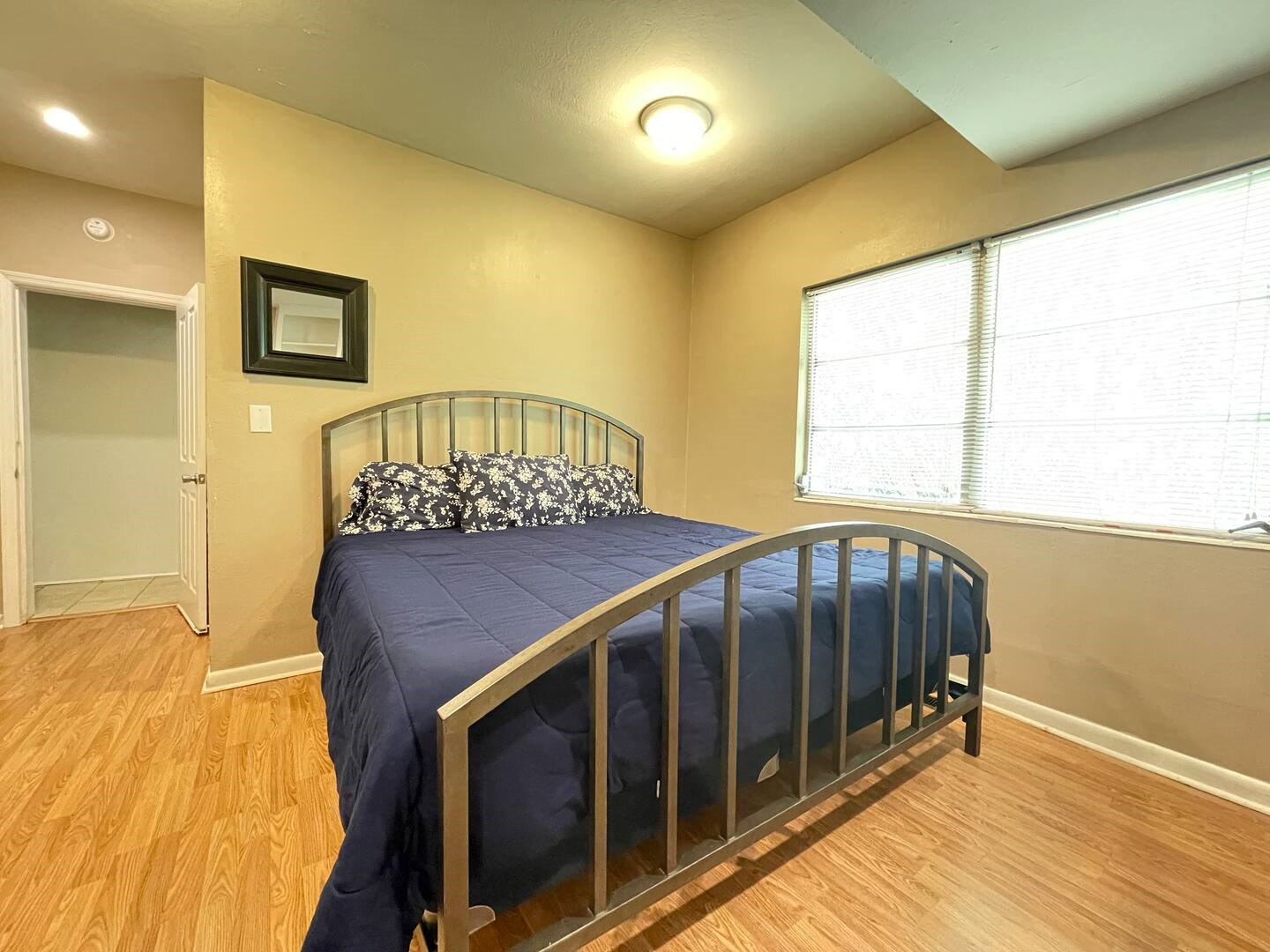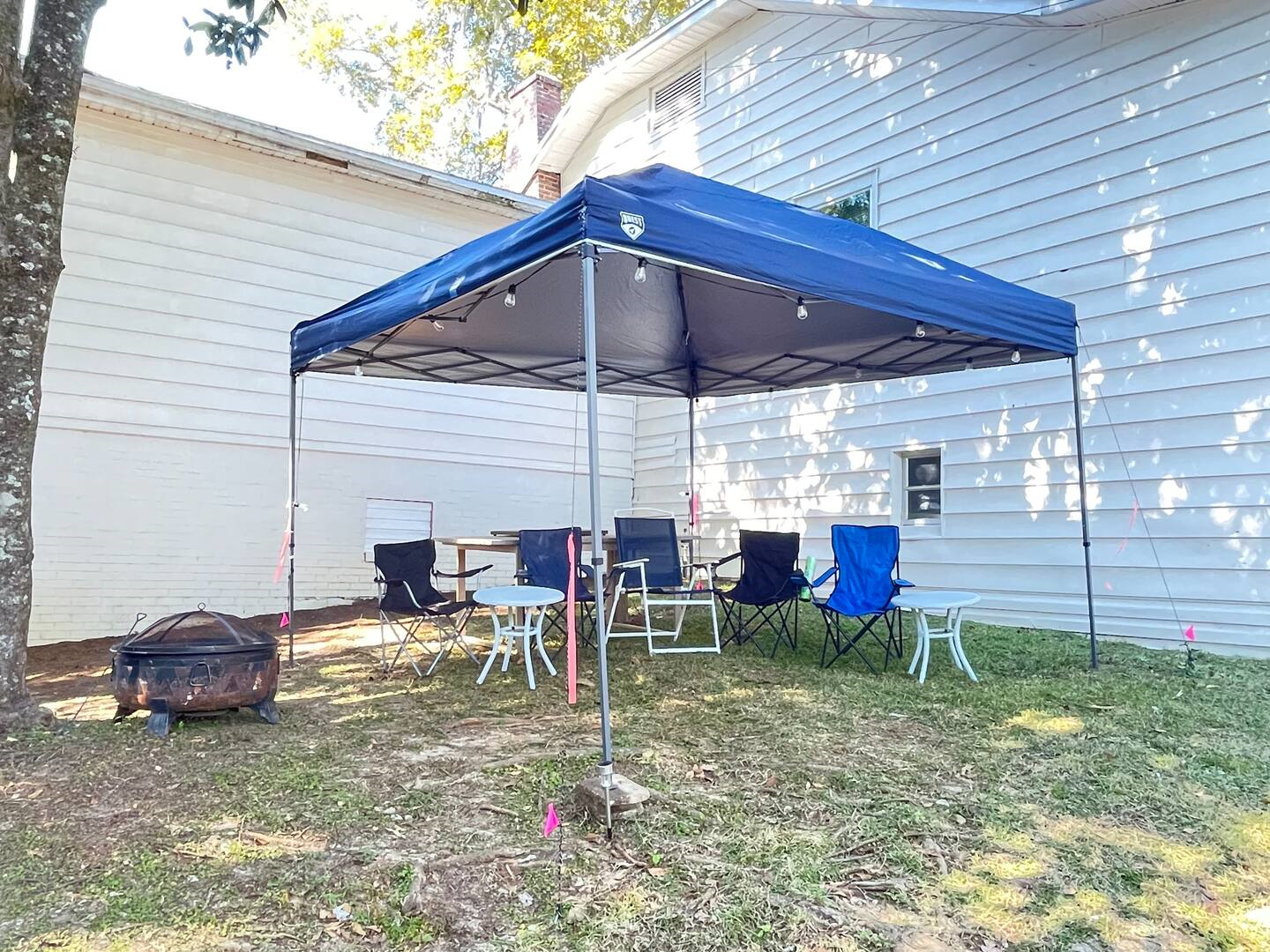
Miccosukee Road #819
3Bed/1Bath $1350/month - Tallahassee, Florida

Private, ultra-quiet, comfortable house is ideal for its in-town
location and easy drive to Capitol, hospitals and walk to schools.
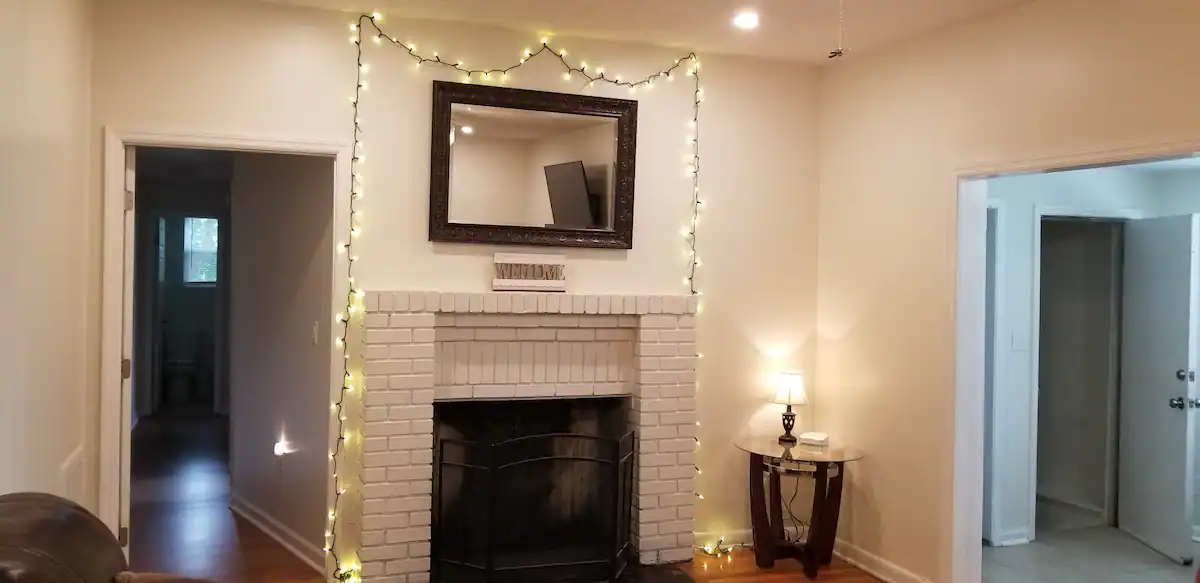
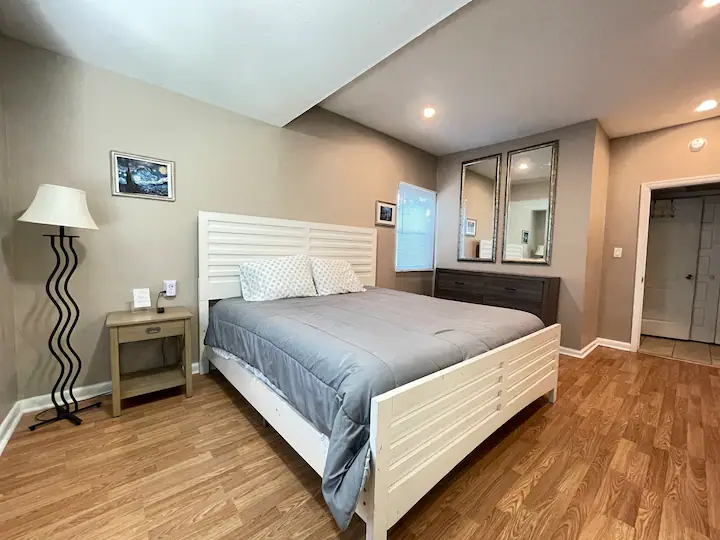
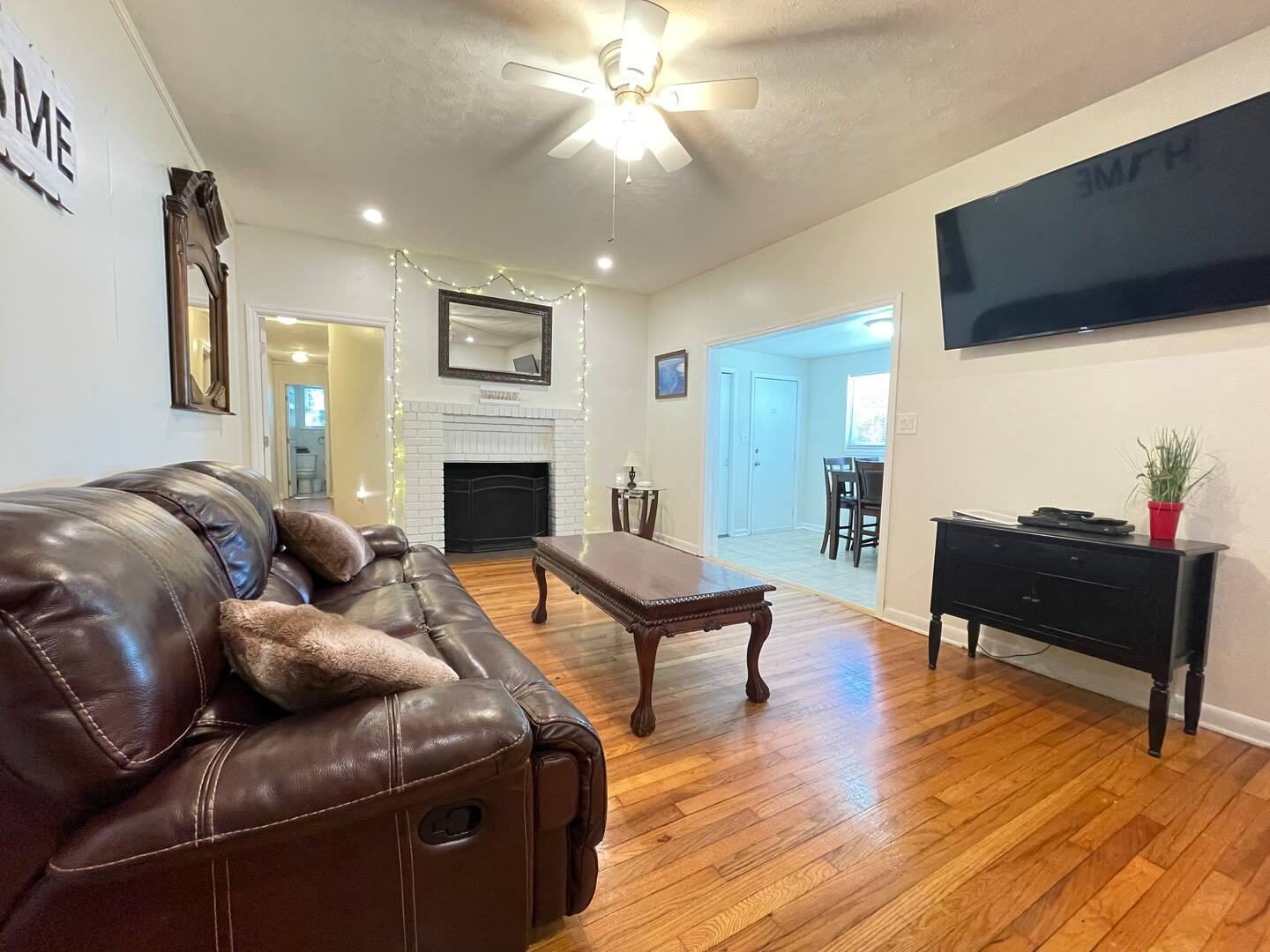
3 BD/1BA on 1/3 Acre. Fireplace, hardwood floors, family room. Central
Heat/Air. Ceiling fans in all rooms. Fenced-in backyard. Approximately 1300 sq ft. $1350/month.
Click here for more info and photos
Click
here for map | In-Town
Location
Miccosukee Road #829
3Bed/1Bath - $1550/month - Tallahassee, Florida

Private, ultra-quiet, comfortable house is ideal for its in-town location
and easy drive to Capitol, hospitals and walk to schools. Save gas
and driving time! 3 BD/1BA on 1/3 Acre with nice greenery and trees.
Fireplace and hardwood floors. Central Heat/Air. Ceiling fans in all
rooms. Approximately 1400 sq ft. Washer/dryer included. Save $10 a day gas equals 300.00 per month!
Click
here for more info and photos
Click
here for map | In-Town
Location
Contact:
Leave message, or send
EMAIL
Mitchell Avenue #1429
3Bed/2Bath - $1650/month - Tallahassee, Florida

$1650/month
3 Bedroom and 2 Full Bathroooms, 1600 sq. ft., on 1/3 Acre with nice greenery and
trees. Only a ½ mile to TMH/Tallahassee Memorial Hospital--walk
to work! Walk to Winthrop Park! 2-minute commute to the Capitol.
Kitchen, bathrooms and hardwood floors in excellent condition. Working
fireplace. New double-insulated windows. Big, bright Florida Room.
Shaded backyard. Good AC/Heat Pump, Gas water heater, reasonable utility
bills.
Click
here for more info and photos
Click
here for map
In-Town
Location
Contact:
Leave message, or send
EMAIL
Alachua Avenue #1121
4Bed/2Bath - $1850/month - Tallahassee, Florida

$1850/month.
Private, ultra-quiet, comfortable house on Alachua Avenue is ideal location for a family. It would also be a fresh alternative for students looking for a change from the typical apartment student housing. Fenced-in backyard. Walk to Kate Sullivan Grammar School, Cobb Middle School or Leon Highschool or Trinity Catholic. Quick bikeride to Florida State University, FAMU/Florida A & M, and TCC. 3,4 or 5 Bedrooms and 2 Full Bathroooms in nice location with greenery and trees. Only a 1 mile to TMH/Tallahassee Memorial Hospital--walk to work! 2-minute commute to the Capitol and downtown.
Click
here for more info and photos
Click
here for map
In-Town
Location
Contact:
Leave message, or send
EMAIL
Oaklawn Drive - 3Bed/2Bath

$1200/month
3 BD 2BA, Log Home in Oaklawn, Hager Hill.
Central H/A low utility bills. Large covered deck, Large
storage barn, Acres of Privacy.
Click
Here For More Pictures
Click
Here For Map
Contact:
Leave message, or send
EMAIL
Why it makes dollars and sense to rent in todays housing market...
Home Not-So-Sweet Home
By PAUL KRUGMAN
While homeownership rose as the housing bubble inflated, temporarily giving Mr. Bush something to boast about, it plunged — especially for African-Americans — when the bubble popped. Today, the percentage of American families owning their own homes is no higher than it was six years ago, and it’s a good bet that by the time Mr. Bush leaves the White House homeownership will be lower than it was when he moved in.
But here’s a question rarely asked, at least in Washington: Why should ever-increasing homeownership be a policy goal? How many people should own homes, anyway?
Listening to politicians, you’d think that every family should own its home — in fact, that you’re not a real American unless you’re a homeowner. “If you own something,” Mr. Bush once declared, “you have a vital stake in the future of our country.” Presumably, then, citizens who live in rented housing, and therefore lack that “vital stake,” can’t be properly patriotic. Bring back property qualifications for voting!
Even Democrats seem to share the sense that Americans who don’t own houses are second-class citizens. Early last year, just as the mortgage meltdown was beginning, Austan Goolsbee, a University of Chicago economist who is one of Barack Obama’s top advisers, warned against a crackdown on subprime lending. “For be it ever so humble,” he wrote, “there really is no place like home, even if it does come with a balloon payment mortgage.”
And the belief that you’re nothing if you don’t own a home is reflected in U.S. policy. Because the I.R.S. lets you deduct mortgage interest from your taxable income but doesn’t let you deduct rent, the federal tax system provides an enormous subsidy to owner-occupied housing. On top of that, government-sponsored enterprises — Fannie Mae, Freddie Mac and the Federal Home Loan Banks — provide cheap financing for home buyers; investors who want to provide rental housing are on their own.
In effect, U.S. policy is based on the premise that everyone should be a homeowner. But here’s the thing: There are some real disadvantages to homeownership.
First of all, there’s the financial risk. Although it’s rarely put this way, borrowing to buy a home is like buying stocks on margin: if the market value of the house falls, the buyer can easily lose his or her entire stake.
This isn’t a hypothetical worry. From 2005 through 2007 alone — that is, at the peak of the housing bubble — more than 22 million Americans bought either new or existing houses. Now that the bubble has burst, many of those homebuyers have lost heavily on their investment. At this point there are probably around 10 million households with negative home equity — that is, with mortgages that exceed the value of their houses.
Owning a home also ties workers down. Even in the best of times, the costs and hassle of selling one home and buying another — one estimate put the average cost of a house move at more than $60,000 — tend to make workers reluctant to go where the jobs are.
And these are not the best of times. Right now, economic distress is concentrated in the states with the biggest housing busts: Florida and California have experienced much steeper rises in unemployment than the nation as a whole. Yet homeowners in these states are constrained from seeking opportunities elsewhere, because it’s very hard to sell their houses.
Finally, there’s the cost of commuting. Buying a home usually though not always means buying a single-family house in the suburbs, often a long way out, where land is cheap. In an age of $4 gas and concerns about climate change, that’s an increasingly problematic choice.
There are, of course, advantages to homeownership — and yes, my wife and I do own our home. But homeownership isn’t for everyone. In fact, given the way U.S. policy favors owning over renting, you can make a good case that America already has too many homeowners.
O.K., I know how some people will respond: anyone who questions the ideal of homeownership must want the population “confined to Soviet-style concrete-block high-rises” (as a Bloomberg columnist recently put it). Um, no. All I’m suggesting is that we drop the obsession with ownership, and try to level the playing field that, at the moment, is hugely tilted against renting.
And while we’re at it, let’s try to open our minds to the possibility that those who choose to rent rather than buy can still share in the American dream — and still have a stake in the nation’s future.